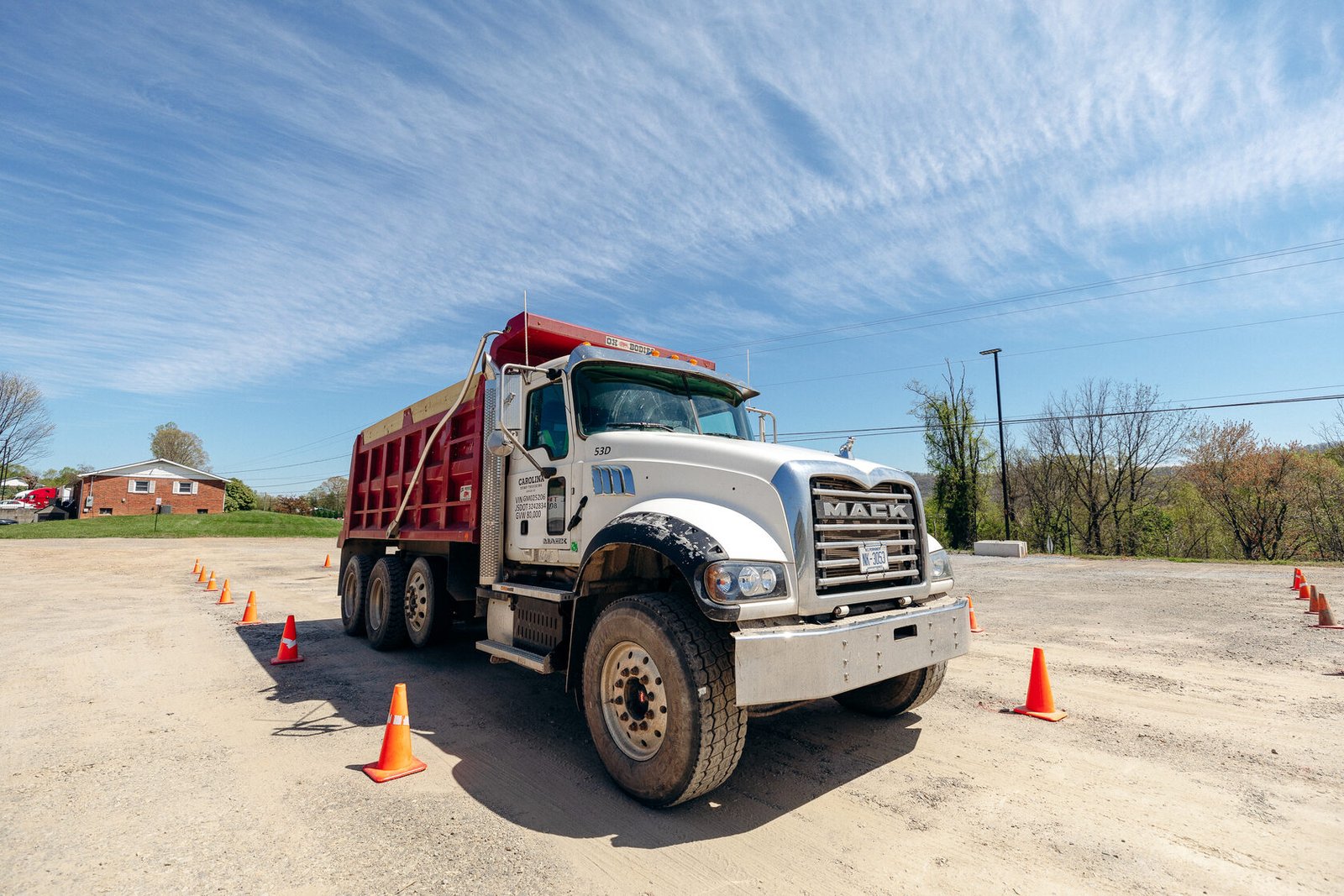
Trucks move almost everything you buy. Groceries, building materials, fuel, furniture, the package on your porch - at some point a commercial driver hauled it. That's why a CDL is one of the few credentials that translates into steady work almost anywhere, including right here in Western North Carolina. Let's break down what the job picture actually looks like for a newly licensed driver.
Is there real demand for drivers?
Yes. Freight is the backbone of the economy, and that doesn't change. Companies consistently need qualified drivers to keep loads moving, and the people doing the hiring will tell you the same thing: trained, licensed, reliable drivers are always in demand. Western NC sits on key freight corridors connecting the Southeast, so there's regional and long-haul work running through the area, plus plenty of local hauling to serve the region's construction, retail, and distribution needs.
Local vs. OTR: where do you want to sleep?
One of the first choices you'll make as a new driver is the type of route you want. They each trade off differently:
Local / regional
Local routes keep you close to home and usually get you back to your own bed at night or for the weekend. Think dump trucks, delivery, dedicated regional runs around the Carolinas. The pay can be a little lower than long-haul, but the lifestyle is hard to beat if you have family or just like being home.
OTR (over-the-road)
OTR drivers run longer distances and are out on the road for days or weeks at a time. The trade-off for more time away is typically more miles - and more miles often means more money. A lot of new drivers start OTR to build experience and bank some earnings, then move to local work later once they've got a few years under their belt.
Company driver vs. owner-operator
There are two basic ways to drive for a living, and they suit different people:
- Company driver. You drive a truck the company owns, on a regular paycheck, with the company covering fuel, maintenance, insurance, and the truck itself. It's the simplest, lowest-risk way to start - and where most new drivers begin.
- Owner-operator. You own (or lease) your own truck and run your own small business. The earning ceiling is higher because you keep more of what the load pays, but you also carry the costs and the risk - fuel, repairs, insurance, downtime. It's a great path once you understand the business, but most folks build experience as a company driver first.
What can a new CDL driver earn?
Let's be straight with you: nobody can promise you a salary, and you should be skeptical of any school that does. Pay depends on the company, the route, the freight, how many miles you run, and your own experience. That said, to give you a realistic frame of reference, new CDL drivers in NC commonly start around $50k-$70k+ per year, with earnings tending to climb as you gain experience, add endorsements, or move into specialized or owner-operator work. Drivers who run more miles, haul specialized freight, or run their own truck can earn well above that range.
The point isn't a guaranteed number - it's that a Class A CDL gives you a credible path to a solid, full-time income in a matter of weeks, with room to grow from there. See more on earning potential.
How we help you get hired
Getting the license is half the battle - the other half is landing the job. We make that part easier through our job-placement partner, Owner Operator Land. They've been placing drivers since 2018 and connect our graduates with real openings:
- No recruitment fees - ever. You don't pay to get matched with a job.
- A personal recruiter in your corner who learns what you're looking for.
- Both owner-operator and company-driver roles across a range of logistics companies.
So when you finish training, you're not sending résumés into a void - you've got someone working to put you behind the wheel. Learn more about our placement partner or reach them directly at (855) 528-1818.
What kinds of freight will you haul?
"Trucking" covers a lot of ground, and the type of freight you run shapes both your day and your paycheck. A few common categories new drivers encounter:
- Dry van - the most common freight, hauling general goods in an enclosed trailer. A solid, steady place to start.
- Flatbed - building materials, machinery, and oversized loads on an open trailer. It involves more physical work (strapping and tarping) and often pays a bit more for it.
- Refrigerated ("reefer") - temperature-controlled loads like food. Consistent demand year-round.
- Tanker and specialized - liquids and specialized cargo, usually requiring extra endorsements and paying accordingly.
- Local dump and construction hauling - common Western NC regional work that keeps you close to home.
You don't have to decide all of this on day one. Most new drivers start with whatever gets them experience and miles, then specialize once they know what they like.
How to boost your earning power over time
Your first-year pay is a starting point, not a ceiling. The drivers who earn the most usually do a few things on purpose:
- Add endorsements. Hazmat, tanker, and doubles/triples endorsements open up higher-paying freight that a lot of drivers can't haul.
- Build a clean record. Safe, reliable drivers with no incidents become more valuable - and have more leverage - every year.
- Run more miles or specialize. Whether that's OTR mileage early on or moving into specialized freight, both tend to lift income.
- Consider owner-operator down the road. Once you understand the business side, owning your truck can raise your ceiling significantly.
The point is that trucking rewards experience. Get licensed, get your first job, drive safe, and your options - and your pay - grow from there.
Your move
The demand is there, the pay is real, and the path is short. The one thing standing between you and a trucking career is the license - and that's exactly what we do. Start with our Class A program for the widest range of jobs, and let us handle the training and the job match.
Ready to get rolling? Apply today or call us at (888) 878-9986 and we'll get you started.